
Views: 3 Author: Site Editor Publish Time: 2026-01-29 Origin: Site


Dealing with unwanted water is stressful enough without the equipment failing to finish the job. If you have ever pumped out a flooded basement or a swimming pool, you might have noticed a frustrating problem: standard pumps often shut off while there are still a few inches of water left on the ground.
This is where a residual water pump becomes essential. Unlike standard submersible pumps that require a certain depth to operate, these specialized tools are designed to suction water down to the very last millimeter. But how do they work, and how do they compare to other types of dewatering pumps?
A residual water pump—often called a low-level drainage pump or puddle pump—is a specialized type of dewatering pump. Its primary function is to remove water from flat surfaces where there is no sump pit (a hole in the ground designed to collect water).
Standard pumps usually need the water intake to be fully submerged to prevent air from entering the system, which can cause overheating or cavitation. However, residual pumps are engineered with cooling jackets or specific discharge designs that allow them to run effectively even when the water level is extremely shallow. Some models can drain water down to as low as 1mm, leaving the floor virtually dry.
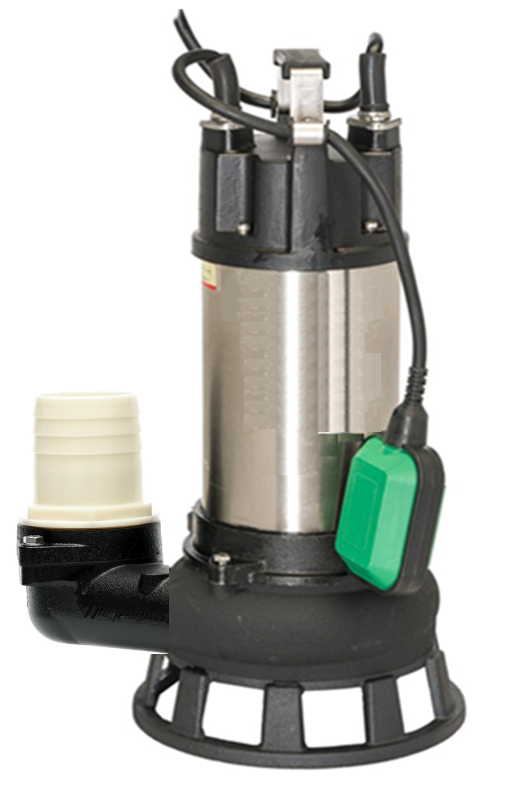
To understand why you might need a residual pump, it helps to compare it to a standard submersible pump and a Waste Water Pump. Each tool serves a specific purpose depending on the water depth and the debris present.
Here is a quick breakdown of the differences:
Feature | Residual Water Pump | Standard Submersible Pump | Waste Water Pump (Sewage) |
Minimum Water Level | Very low (approx. 1mm - 3mm) | Moderate (approx. 50mm - 100mm) | High (approx. 100mm+) |
Primary Use | Flat surfaces, rooftops, final clean-up | Sump pits, deep pools, general drainage | Moving dirty water with solids/waste |
Debris Handling | Clear water or very fine sediment | Small particles | Large solids and waste matter |
Floor Condition | Leaves floor "mop dry" | Leaves a few inches of water | Leaves significant water |
You should choose a residual pump when you need to remove water completely from a flat surface. They are frequently used in the following scenarios:
· Flooded Basements and Garages: After a storm, a standard pump will get the bulk of the water out, but a residual pump is needed to remove the final layer so you can begin drying the floor.
· Flat Rooftops: Removing standing rainwater to prevent leaks or structural damage.
· Emptying Tanks and Pools: Draining containers completely for maintenance or winterizing.
· Construction Sites: Keeping concrete slabs dry during the building process.
If you are dealing with water that contains heavy sludge, large rocks, or sewage, a residual pump is likely not the right choice. In those cases, a heavy-duty Waste Water Pump is required to handle the solids without clogging.
Not all pumps are created equal. When selecting a pump for low-level drainage, durability is key because these pumps often run for extended periods to get that last bit of moisture out.
Reliable manufacturers, such as Mepcato Machinery Limited, integrate specific features to ensure longevity and safety. When shopping for a pump, look for:
1. Repeatable Thermal Protection: This protects the motor from burning out if the pump accidentally runs dry or gets jammed.
2. Quality Sealing: High-quality pumps often use Italian mechanical seals or double waterproof protection to prevent water from entering the motor housing.
3. Oil Chamber Designs: An oil chamber provides lubrication and cooling, which is vital for the durability of the seal.
4. Rubber Seals: Power cables should have epoxy-filled rubber seals to resist humidity and prevent water wicking.
Water damage requires a fast and effective response. While a standard pump or a bucket might work for small spills, significant flooding on flat surfaces requires a tool built for precision. A residual water pump saves you time and manual labor by getting the water level down to the floor, allowing you to start the cleanup process immediately.
Whether you are maintaining a property or managing a construction site, having the ability to pump down to 1mm can make the difference between a quick cleanup and a lingering moisture problem.


