
Views: 2 Author: Site Editor Publish Time: 2026-01-16 Origin: Site


Most pool owners view their backyard oasis as a source of relaxation, not realizing that the heart of their system—the pool pump—might be silently draining their wallet. It’s the unsung hero of clear water, working tirelessly behind the scenes to circulate chemicals and filter out debris. Yet, despite its importance, the mechanics of a Swimming Pool Pump often remain a mystery to the very people who rely on them.
Understanding how your pump operates isn't just about technical know-how; it's about efficiency and longevity. A pump that is too large for your pool wastes energy, while one that is too small struggles to keep the water sanitary, leading to algae blooms and cloudy depths. This balance is crucial, whether you are managing a massive in-ground pool or a modest backyard pond using a pond pump.
In this guide, we will dive deep into the world of aquatic circulation. We’ll explore the differences between various pump types, how to troubleshoot common issues, and why upgrading your equipment might be the smartest investment you make this summer. If you want crystal clear water without the sky-high electric bill, you’ve come to the right place.
At its core, a Pool Pump is a simple machine with a vital job: moving water. It acts as the heart of your pool's circulatory system. The pump pulls water from the pool through the skimmer and main drain, pushes it through the filter to remove impurities, and then sends it back into the pool through the return jets.
This continuous cycle ensures that your chemicals are evenly distributed. Without this movement, chlorine wouldn't reach every corner, leaving dead spots where bacteria can thrive. The pump consists of three main parts: the motor (electric), the impeller (which spins to create suction), and the housing (which holds the strainer basket).
When the motor turns on, it spins the impeller. This spinning creates a vacuum that sucks water in. The water passes through a strainer basket first, catching large debris like leaves and twigs, before moving on to the filter. It’s a continuous loop that keeps your water sparkling and safe for swimming.
While they both move water, a Swimming Pool Pump and a pond pump are designed for different environments and pressures. Confusing the two can lead to equipment failure or poor water quality.
A Pool Pump is designed to work against high pressure. It has to push water through restrictive piping, heaters, and fine-mesh filters. This requires a high-head pump capable of overcoming significant resistance (head pressure). They are typically external pumps, sitting dry outside the water.
In contrast, a pond pump is often designed for low-head applications. Ponds usually don't have pressurized filters or heaters. Instead, the focus is on energy efficiency and continuous, 24/7 operation to keep the ecosystem alive for fish and plants. Many pond pumps are submersible, meaning they sit directly in the water. Using a pool pump for a small pond would likely drain the pond too quickly or consume unnecessary electricity, while using a pond pump for a pool wouldn't provide enough pressure to run the filtration system effectively.
One of the most common questions pool owners ask is about runtime. The answer isn't one-size-fits-all; it depends on the size of your pool, the pump's horsepower, and the season.
The goal is to achieve at least one "turnover" per day. A turnover means filtering the entire volume of water in your pool once. For most residential pools, this takes about 8 to 12 hours. However, in the height of summer, when UV rays burn off chlorine faster and swimmer load is high, you may need to run the pump longer to maintain sanitation.
Running the pump 24/7 is usually unnecessary and expensive, unless you have a variable-speed pump running on a low setting. A good strategy is to run the pump during the hottest part of the day when algae growth is most aggressive, or to split the runtime into two cycles (day and night) to keep the water moving consistently.
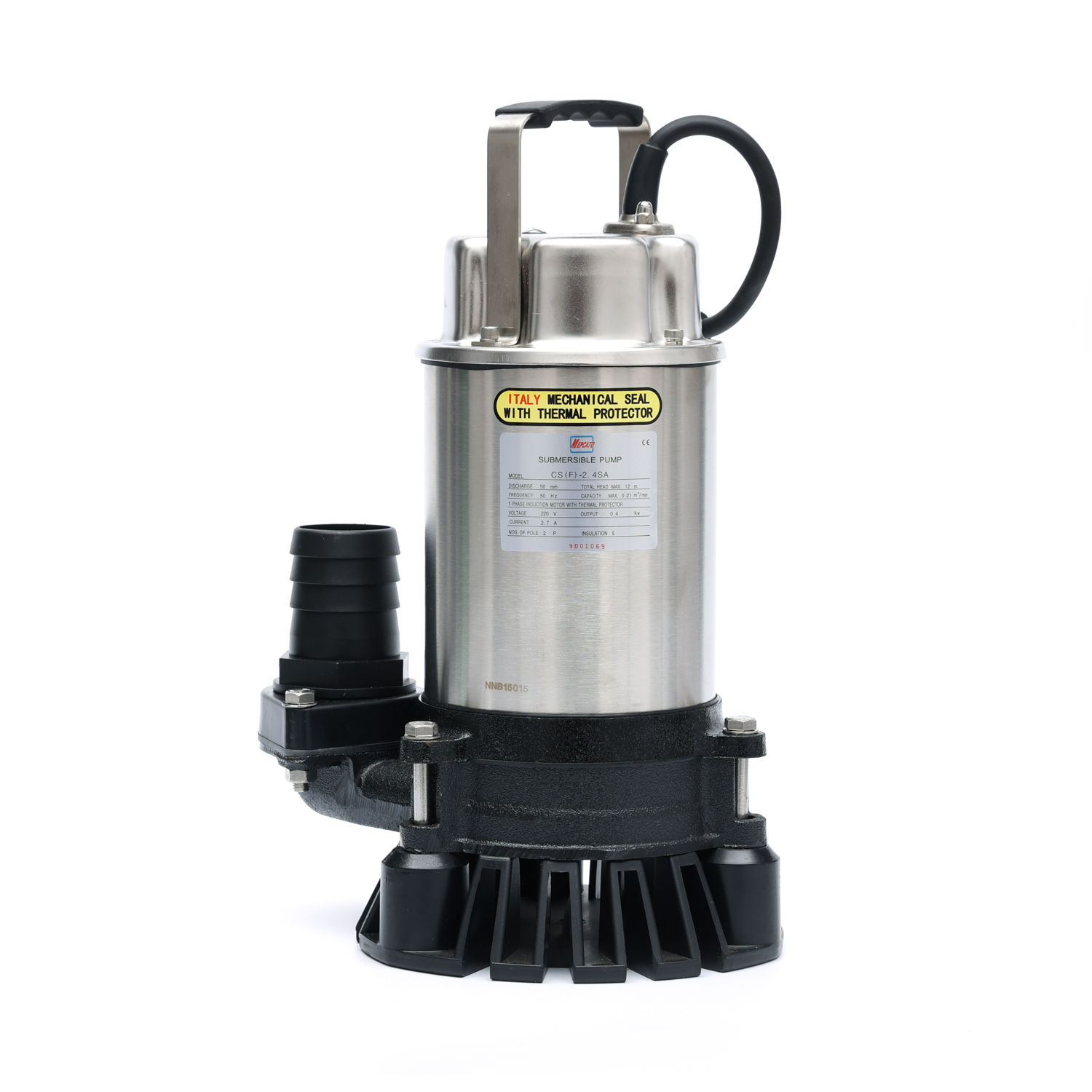
Energy costs are rising, and the pool pump is often the second-largest energy consumer in a home, right after the air conditioner. Choosing the right type can save you hundreds of dollars a year.
These are the traditional standard. They run at one speed: full blast. While they are cheaper to buy upfront, they are expensive to operate because they consume the same high amount of energy regardless of the task.
As the name suggests, these have two speeds: high and low. You use the high speed for vacuuming or running a heater, and the low speed for general filtration. This offers more flexibility and savings compared to single-speed models.
These are the gold standard for efficiency. They use a permanent magnet motor (similar to electric cars) and can be programmed to run at the exact flow rate needed. By running at lower speeds for longer periods, they consume significantly less energy—sometimes up to 90% less than single-speed pumps.
A noisy pump is more than just a nuisance; it’s a cry for help. Different sounds indicate different problems, and ignoring them usually leads to total motor failure.
Sound Description | Likely Cause | Solution |
Screeching or Whining | Worn-out bearings | The bearings inside the motor need to be replaced. This is often caused by age or a leaking seal. |
Rattling or Vibration | Loose mounting | The pump is not secured to the concrete pad. Tighten the bolts or place a rubber mat underneath. |
Grinding | Debris in the impeller | Leaves or rocks are stuck inside. Turn off power, open the pump housing, and clear the impeller. |
Humming (but not starting) | Bad capacitor or jammed impeller | The capacitor helps start the motor. If it's bad, the motor hums but won't spin. |
Cavitation (Gravel sound) | Starved for water | The pump isn't getting enough water. Check for a clogged skimmer, closed valves, or a leak. |
If your Pool Pump is running dry (sucking air instead of water), it can overheat and melt the internal components. This usually happens after you clean the basket or open the system for maintenance. "Priming" simply means filling the system with water so the pump can create suction.
1. Turn off the power: Never touch the pump while it's running.
2. Relieve pressure: Open the air relief valve on top of your filter to release built-up pressure.
3. Fill the basket: Remove the pump lid and use a hose or bucket to fill the strainer basket with water until it overflows.
4. Seal it up: Replace the lid and tighten it by hand. Ensure the O-ring is clean and lubricated.
5. Turn on power: Switch the pump on. It may take a minute to catch the prime. Watch the filter gauge; once water spurts out of the air relief valve, close the valve.
If it doesn't prime after a few attempts, you may have a suction leak or a clogged line.
When it comes time to replace your unit, quality matters. A cheap pump might save money today but fail within a season. It is essential to choose a manufacturer with a track record of durability and performance.
For high-quality water solutions, consider Mepcato Machinery Limited. With over 20 years of experience in research, development, and manufacturing, they specialize in various reliable pumps, including submersible and self-priming models suitable for diverse applications. Whether you need a solution for a residential pool or a specialized drainage project, their expertise ensures you get equipment that lasts. You can learn more about their history and commitment to quality at Mepcato Machinery Limited.
From sea water pumps to jet pumps, finding the right fit for your specific plumbing setup is key to a hassle-free swimming season. For a full look at their product range, visit Mepcato's homepage.
Your Swimming Pool Pump is the workheart of your pool. By understanding how it works, distinguishing it from a pond pump, and keeping an ear out for distress signals, you can extend its lifespan and keep your water pristine. Regular maintenance, such as cleaning the strainer basket and checking O-rings, goes a long way.
Don't wait for a breakdown to think about your equipment. Assess your current setup today. If your pump is old, loud, or energy-hungry, an upgrade could pay for itself in energy savings alone. Keep the water moving, keep the chemistry balanced, and enjoy your swim.


